Sweet Home Font: A Creative Typeface for Web Design
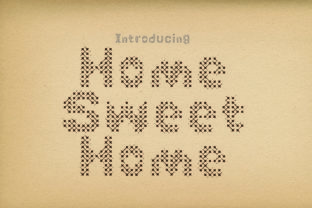
Sweet Home is a decorative font that brings a touch of charm and personality to digital design. Its elegant yet simple style makes it ideal for web designers looking to add a unique visual identity to their projects. Whether you're working on a website, landing page, or online store, Sweet Home offers a fresh approach to typography that stands out without overwhelming the user.
Understanding Sweet Home's Visual Personality
Sweet Home combines a soft, handwritten feel with clean lines, making it both readable and visually appealing. The font’s subtle curves and gentle strokes give it a friendly, approachable vibe—perfect for brands aiming to convey warmth and creativity. Its decorative nature allows it to shine in display roles, while its legibility ensures it remains functional across different screen sizes and devices.
Designers often use Sweet Home for headers, call-to-action buttons, and section titles where a touch of elegance is needed. Its versatility makes it suitable for both modern and vintage-inspired designs, depending on how it's paired with other elements.
Applying Sweet Home in Digital Projects
In web design, Sweet Home can elevate the visual hierarchy of a layout. For example, using it as a hero section title creates an immediate focal point that draws users in. On a creative portfolio site, Sweet Home can be used for project headings, giving each section a distinct, personal touch.
For an online boutique, Sweet Home works well in banners and product headlines. Its soft appearance complements lifestyle imagery and helps create a cohesive aesthetic. On a coaching website, it adds a human element to testimonials or feature sections, reinforcing the brand’s authentic tone.
When designing a course sales page, Sweet Home can be used for key benefits or headline phrases. It adds a sense of inspiration and encourages engagement without distracting from the core message.
Readability and Responsive Design Considerations
While Sweet Home is a decorative font, it maintains good readability at larger sizes. This makes it ideal for headings and short phrases. However, it’s not recommended for body text due to its intricate details, which can become hard to read on smaller screens or in low-resolution environments.
On mobile devices, ensure Sweet Home is used in large, uncluttered areas. Avoid placing it over busy backgrounds or dark overlays, as this can reduce legibility. For buttons and CTA elements, use it sparingly and pair it with a more neutral font for contrast.
When designing for dark mode, test Sweet Home against light backgrounds to ensure sufficient contrast. Similarly, when using it on image overlays, keep the text area minimal and avoid complex layouts that could interfere with readability.
Font Pairing and Brand Identity
To maximize the impact of Sweet Home, consider pairing it with a clean sans serif font for body copy or secondary text. This contrast enhances visual balance and ensures the design remains professional and easy to navigate.
If your brand leans toward a more editorial or traditional look, pairing Sweet Home with a serif font can create a refined, timeless feel. For a modern, minimalist approach, combine it with a geometric sans serif for a clean, structured layout.
When building a brand kit, use Sweet Home consistently across logos, social media graphics, and marketing materials. Its unique character helps reinforce brand recognition while maintaining a cohesive visual language.
Practical Use Cases for Sweet Home
On a blog header, Sweet Home can be used to highlight the site’s name or a featured post title. In a digital ad campaign, it adds a personal touch to headlines and captions, making the message more relatable and engaging.
For a SaaS product landing page, Sweet Home can be used in feature highlights or customer testimonials. Its warm, inviting style aligns well with user-focused messaging and helps build trust with potential clients.
When designing a digital template, such as a newsletter or email signature, Sweet Home adds a custom, handcrafted feel. It’s especially effective in templates meant for creative businesses, nonprofits, or lifestyle brands.
Commercial Licensing and File Formats
Before using Sweet Home in commercial projects, verify the licensing terms. Most decorative fonts come with specific permissions for web use, print, and digital assets. Ensure the license covers your intended application, whether it's for a client’s website, an online store, or a branded template.
Check if the font includes multiple weights, alternates, and multilingual support. These features can expand its usability across different languages and design scenarios. Also, confirm that webfont formats like WOFF and WOFF2 are available for seamless integration into CSS.
For designers who frequently work with fonts, having access to a variety of styles and formats ensures flexibility. Sweet Home’s availability in standard web formats makes it easy to implement across platforms and devices.
Final Thoughts on Sweet Home
Sweet Home is more than just a decorative font—it’s a tool that can enhance the emotional and visual impact of a design. By understanding its strengths and limitations, web designers and digital creators can use it effectively to build engaging, brand-aligned experiences.
Whether you’re crafting a creative portfolio, launching an online store, or designing a marketing campaign, Sweet Home offers a distinctive voice that resonates with users and strengthens the overall design narrative.