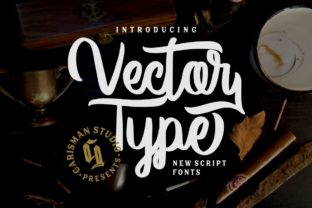
Vector Type: A Bold Handwritten Font for Web Design
While working on a boutique online store’s homepage, I found myself searching for a font that could bring warmth and personality to the site’s visual identity. Vector Type stood out—not just for its aesthetic appeal but for how it transformed the overall feel of the layout. As a script handwritten font, it adds a unique touch that feels both modern and authentic.
Testing Vector Type in the hero section was my first move. The font’s flowing lines and subtle variations gave the headline a sense of motion, making it more engaging than a standard sans serif. It felt like a signature, something that could represent the brand’s creative spirit without being too ornate.
One of the things I appreciate about Vector Type is how it balances boldness with readability. While some handwritten fonts can be hard to read at smaller sizes, this one maintains clarity even when used in headers or call-to-action buttons. That’s crucial for web design, where users often scan quickly and need clear visual cues.
When I placed Vector Type over an image banner, it didn’t overpower the background. Instead, it complemented the visuals, creating a cohesive look that felt intentional. This makes it ideal for product landing pages or campaign pages where imagery plays a key role.
Using Vector Type in Digital Layouts
Vector Type works well in a variety of digital layouts. For a coaching website, I used it in the main headline and subheadings, pairing it with a clean sans serif for body text. The contrast made the content more scannable while keeping the design fresh and inviting.
In a portfolio homepage, I experimented with using Vector Type for project titles. The font added a personal touch, making each section feel like a unique expression rather than a generic list. It also worked well as a decorative accent in headings and button labels, giving the site a more polished, branded look.
For a blog redesign, I chose Vector Type for the header and featured post titles. Its natural flow helped guide the eye through the page, reinforcing the idea of a curated, thoughtful experience. It’s a great choice for editorial design, especially when paired with a serif font for body copy.
On a small business website, I used Vector Type for the logo and navigation links. The font’s personality helped establish a stronger brand identity, making the site feel more approachable and human. It’s perfect for businesses that want to stand out without sacrificing professionalism.
Readability and Responsive Design
When testing Vector Type on mobile screens, I noticed that it remained legible even at smaller sizes. This is important for responsive layouts, where typography needs to adapt without losing clarity. It works well on dark backgrounds, light backgrounds, and even when overlaid on images, as long as there's enough contrast.
I also checked how it performed on buttons and small text elements. While it’s best suited for display purposes, it still holds up in short phrases and CTA areas. Just make sure to keep the size large enough for easy reading, especially on smaller devices.
For fast-loading visual content, Vector Type’s file size was manageable, which is a plus for performance-focused designs. It’s available in multiple weights and styles, so there’s flexibility for different design needs without compromising load times.
Font Pairing and Brand Identity
Pairing Vector Type with a simple sans serif font creates a balanced look that’s both modern and readable. This combination works well for body text, ensuring that the overall design remains clean and professional. For a more editorial feel, pairing it with a serif font can add depth and sophistication.
As a premium font, Vector Type offers a range of alternates and stylistic sets, allowing for more customization in design projects. It supports multiple languages, which is essential for global brands or multilingual websites.
Before using Vector Type on a client project, I always check the licensing terms to ensure it’s suitable for commercial use. It’s important to confirm that the font can be embedded in web projects and that the license covers all intended usage, including online stores, landing pages, and digital templates.
Vector Type is more than just a pretty font—it’s a tool for building a stronger digital presence. Whether you’re designing a creative portfolio, a product landing page, or a course sales page, it brings a level of authenticity that can elevate your brand’s visual identity.
Its versatility makes it a valuable addition to any designer’s toolkit. From hero sections to CTA buttons, it adds character without overwhelming the user. And in a world where digital experiences are increasingly competitive, a well-chosen font can make all the difference.
Ultimately, Vector Type is a great choice for anyone looking to infuse their website with a personal, handcrafted feel. It’s a font that speaks to both creativity and functionality, making it a reliable option for a wide range of web design projects.